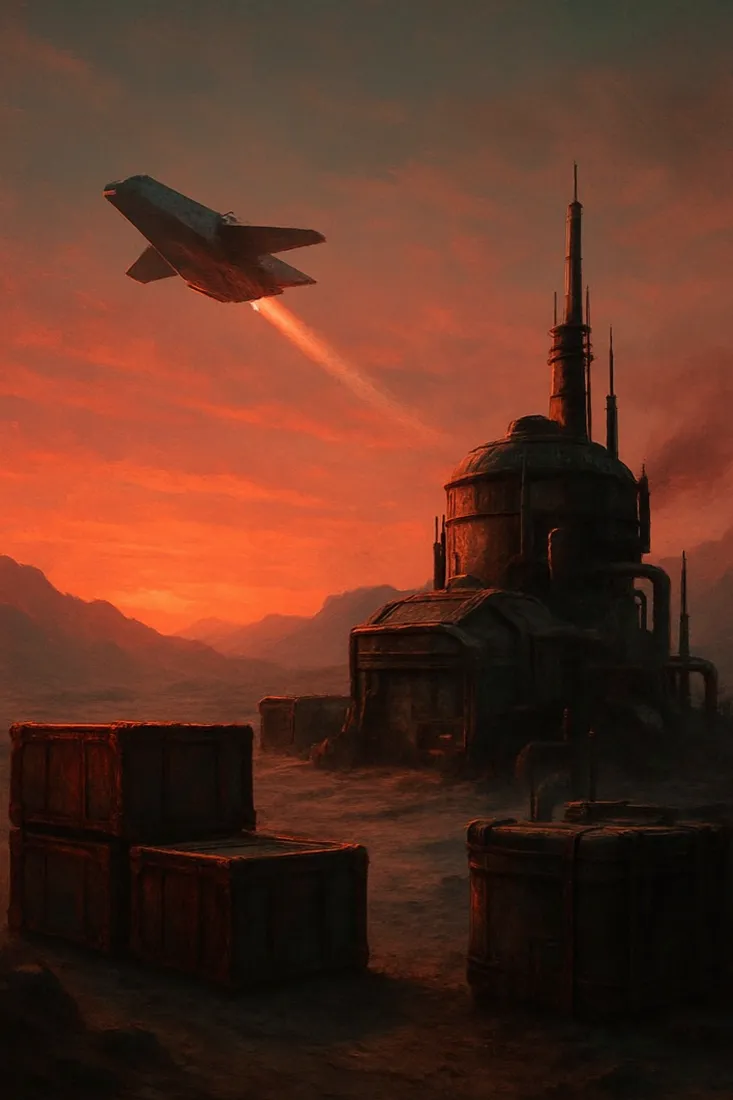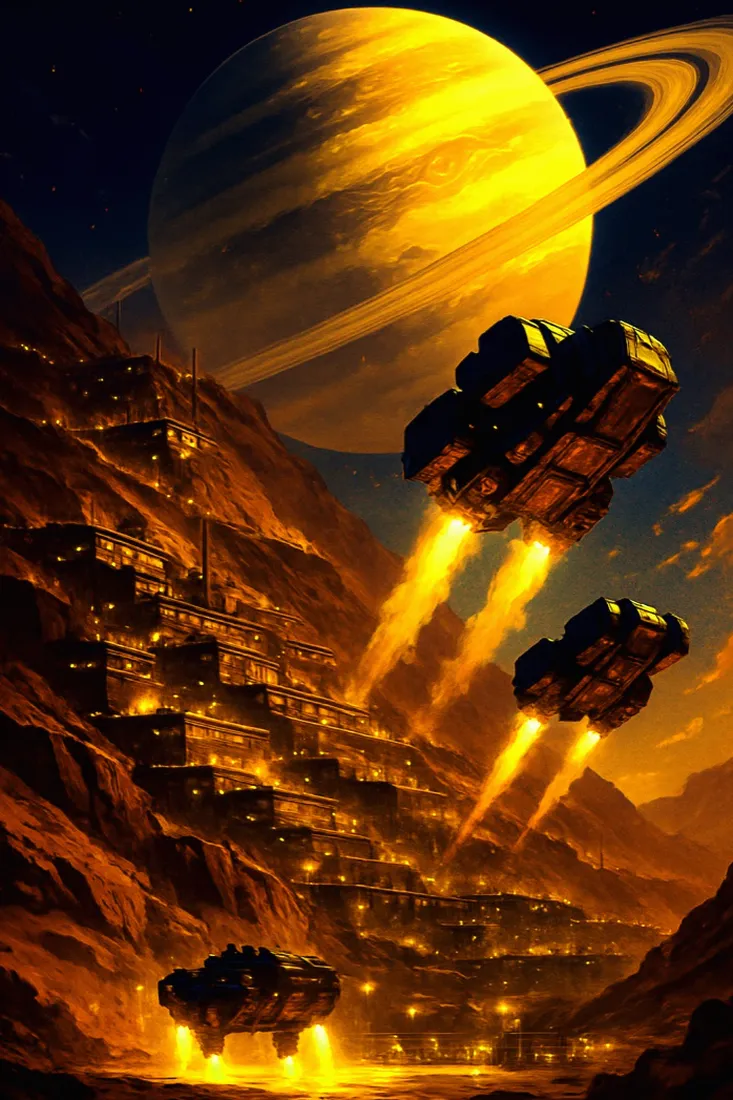
Our first fleet in OGame was a pair of small cargo ships carrying metal to a colony a few systems away. The game told us the arrival time to the second, and we caught ourselves checking it on a phone at lunch. That is the hook. Nothing here happens instantly, so every order is a promise to your future self, and the future self has to be online to keep it.
Gameforge has published OGame since 2002, which makes it one of the oldest browser strategy games still running. You start with a single home planet, three resources and almost nothing else. Within a week you are juggling colonies, research priorities and a map full of neighbours whose intentions you can only discover by sending spies. It is slow, cerebral and quietly ruthless.
Three resources and a long shopping list
The economy rests on metal, crystal and deuterium, each produced by its own mine on every planet you hold. Mines need energy, so solar plants come next, and every upgrade costs more than the last. Early days are a pleasant puzzle of which mine to raise while you wait. Later, the puzzle becomes balancing production across colonies so that no planet sits idle with a full warehouse.
Research sits on top of all this. Drive technologies make fleets faster, weapons and shields decide battles, and espionage technology determines how much your probes can see. The tree is broad rather than flashy, and choices have consequences that unfold over weeks. We found it genuinely satisfying to plan a research path on paper and then watch it pay off in a fight a fortnight later.
Every fleet launch is a promise to the clock
Fleets in OGame are dispatched on missions: attack, transport, espionage, colonisation, expedition and more. Each mission takes real time, depending on distance and your drive research, and while a fleet is flying it can be seen and sometimes intercepted. That turns logistics into strategy. A raid is only clever if you will be awake when it lands and can get the ships home safely.
Battles resolve instantly when fleets meet, over up to six combat rounds, based on ship types, numbers and technology levels. You never steer a ship in combat; you win or lose at the planning stage. Destroyed ships leave debris fields of metal and crystal that anyone can harvest, which means every fight is also a salvage race. It is a brutally fair system once you understand it.
Moons, probes and the art of not being home
Big battles can create a moon from the debris above a planet. Moons are coveted real estate because they host special structures such as the Jump Gate, which moves fleets between moons, and the Sensor Phalanx, which reads enemy fleet movements nearby. Getting your first moon feels like being handed the keys to a new level of the game, and it changes how you defend.
The other lesson OGame teaches is that a fleet parked at home overnight is an invitation. Veterans scout every target with espionage probes before attacking, and they send their own fleets on long missions before logging off so that nothing sits exposed. Learning to fleet-save is the rite of passage. Our first unsaved night cost us most of a week’s work, and we never forgot again.
Officers, Dark Matter and the free pilot’s path
OGame’s premium currency is Dark Matter, which can be earned in play, notably on expeditions, or bought. It hires officers such as the Commander, Geologist, Engineer, Technocrat and Fleet Admiral, each giving a specific boost, and pays for merchant trades. These are real advantages, especially the convenience of the Commander’s overview, but they speed you up rather than lock you out.
Playing entirely free, we never felt outclassed by design. We felt outclassed by better players who scouted more and slept less carelessly. The newer Lifeforms system adds alien species with their own technologies, which gives long-term players a fresh layer to plan around. Joining an alliance early is the best free upgrade there is: shared intelligence and a chat full of advice beat any officer.
OGame: the opening week
- Raise your metal and crystal mines alternately, and build solar plants whenever energy turns negative on the overview.
- Research espionage technology early and send a probe to every neighbour before you trust them, even the quiet ones.
- Build a few small cargo ships so you can move resources between planets and away from raiders.
- Colonise a second planet within the first days; extra mines multiply your growth far more than any single upgrade.
- Before logging off each night, send your fleet and spare resources on a long mission timed to return when you are back.
What we love
- Real flight times make every decision a plan with consequences you can feel.
- A clear three-resource economy that stays deep for months.
- Moons and debris fields turn every battle into a new opportunity.
- Alliances give a solitary game a lively, helpful social layer.
What grates
- One careless night can undo days of building if you forget to fleet-save.
- Dark Matter conveniences are tempting and noticeable in competitive universes.
- Older universes can feel crowded with established empires for newcomers.
The player OGame is built for
OGame suits people who like to think in timetables and enjoy the quiet thrill of a plan coming together hours after they set it in motion. If you want to steer a ship yourself, look elsewhere. If you want to outwit an alliance across a galaxy with a phone and three check-ins a day, this is home.
The last word on OGame
OGame earns the top of our logbook because one simple rule, that fleets take real time to travel, makes it the most thoughtful strategy game on the list. It asks for patience and punishes carelessness, but it never asks for more hours than a working week can spare. Start on a young universe, join an alliance, scout everything and fleet-save every night.